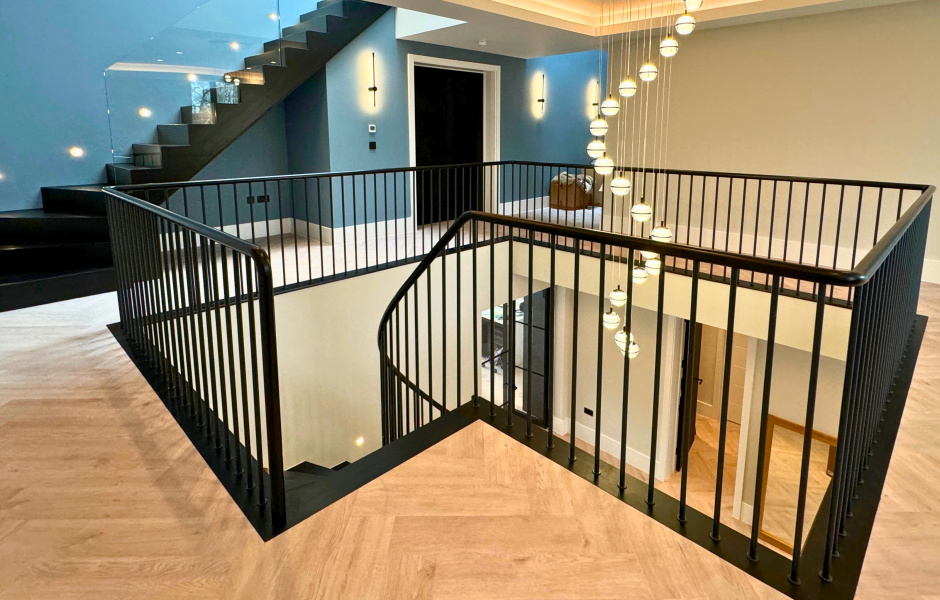
A metal steel and wood staircase is one of the most reliable ways to make a space feel architectural without trying too hard. Steel brings crisp structure and confidence. Wood adds warmth, texture, and that human, lived-in quality. Put them together and you get a staircase that feels both modern and timeless—sharp lines, soft touch, and a presence that quietly lifts the whole interior.
If you are considering a metal steel and wood staircase for a home, commercial space, or renovation, this guide will walk you through what makes the combination work, how to choose finishes, and what to watch for so your final result looks intentional and performs flawlessly.
Why a Metal Steel and Wood Staircase Works So Well
A staircase is more than circulation—it is a sculptural element that sits in the middle of daily life. The pairing of steel and wood succeeds for three reasons:
Design flexibility: This combination can look industrial, minimalist, warm-modern, or classic—depending on detailing.
Contrast with balance
Steel is precise; wood is expressive. Together they create harmony.
Strength with comfort
Steel carries load efficiently; wood feels pleasant underfoot and to the touch.
Done well, a metal steel and wood staircase feels lighter than a traditional all-wood stair, while still feeling more welcoming than a fully metal build.
Common Configurations That Look Expensive
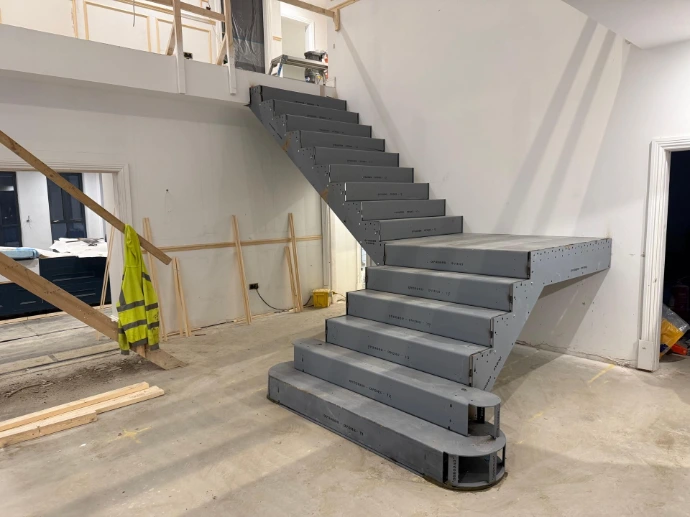
1) Steel stringers with solid wood treads
This is the classic hybrid: steel provides the frame, and wood becomes the hero. It is clean, adaptable, and suits most interiors.
2) Central spine steel with wood treads
A bold look with a strong architectural line through the centre. Great for open spaces where the staircase is meant to be seen.
3) Floating effect with concealed steel structure
The steel does the work behind the scenes. The wood appears to hover, giving you a premium, gallery-like outcome.
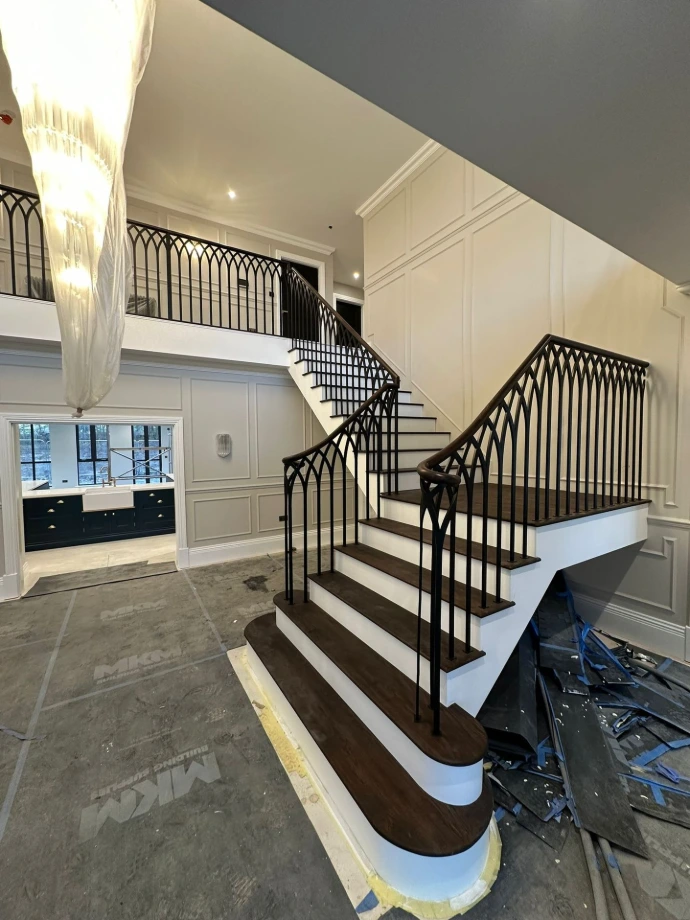
4) Steel balustrade with wood handrail
If you want the hybrid look without changing the whole stair, this is the most cost-effective move. The handrail adds warmth instantly.
Choosing the Right Wood
The wood you choose will set the emotional temperature of the staircase.
Light oak: Fresh, modern, and bright—excellent for minimalist interiors.
Medium oak tones: Balanced and versatile—works with almost any palette.
Dark stained wood: Dramatic and sophisticated—best when the room has strong natural light.
Engineered treads: More stable, often excellent value, and ideal for wide treads.
Aim for wood that is properly sealed and finished for wear, especially on tread nosing where foot traffic concentrates.
Steel Finishes That Elevate the Whole Look
Steel is not only structural—it is visual. The finish determines whether your staircase reads as industrial or refined.
Powder-coated black: The modern standard—crisp, durable, and timeless.
Warm greys or bronzes: Softer than black, more design-led, and often more forgiving.
Exposed steel (clear-coated): Striking, but requires care to prevent marks and corrosion.
Textured powder coat: Adds depth and hides fingerprints—great for busy environments.
A clean steel finish paired with a consistent wood tone is the shortcut to a high-end appearance.
Details That Separate Premium Staircases From Average Ones
A metal steel and wood staircase can look spectacular—or slightly unfinished—based on the small decisions. Focus on these:
Crisp junctions: Where steel meets wood, joints should look deliberate and tidy.
Hidden fixings where possible: Visible screws can cheapen the visual unless intentionally industrial.
Consistent shadow gaps: Even spacing reads as quality craftsmanship.
Balanced proportions: Tread thickness, steel profile size, and spacing must feel coherent.
Thoughtful handrail design: A comfortable grip matters more than most people expect.
If you only invest in one “extra,” invest in better detailing. It is what people notice up close.
Safety and Comfort: The Non-Negotiables
Design should never undermine daily use. When planning your metal steel and wood staircase, keep these practical considerations front and centre:
Tread grip: Wood should be finished to resist slipping, especially in socks.
Lighting: Subtle tread or wall lighting improves both safety and atmosphere.
Handrail placement: Comfortable height, continuous where possible, and easy to grasp.
Balustrade choices: If the stair is open, the balustrade needs to feel secure and stable.
A staircase can be beautiful and still feel effortless to use every day—this is the goal.
Maintenance: What You Will Actually Need to Do
The good news: a metal steel and wood staircase is generally low-maintenance.
Wood treads: Wipe regularly, avoid harsh chemicals, and refresh the finish over time if needed.
Steelwork: Powder-coated steel usually needs only a soft cloth and mild cleaner.
High-touch areas: Handrails and edges may show wear first—choose finishes accordingly.
If you want the staircase to look pristine with minimal effort, choose a durable wood finish and a textured or matte steel coating.
Cost Factors: What Drives the Price Up or Down
Not all metal steel and wood staircases cost the same. Pricing is typically influenced by:
Complexity of geometry (straight vs. turning vs. curved)
Steelwork type (stringers vs. central spine vs. concealed structure)
Wood selection and tread thickness
Balustrade choice (steel, glass, cable, or mixed)
Site conditions and installation access
Finish quality (powder coat level, stain matching, detailing)
Arrange a free consultation now
If you'd like a no-obligation consultation about staircase and landing design, speak to the team at Ovoms today. We work across UK.
To get started, call now on 020 3667 3330 or send a message to sales@ovoms.com